
IDPA

IDPA Divisions Explained

Rules, Round Counts, Gun Examples, and What You Need to Compete

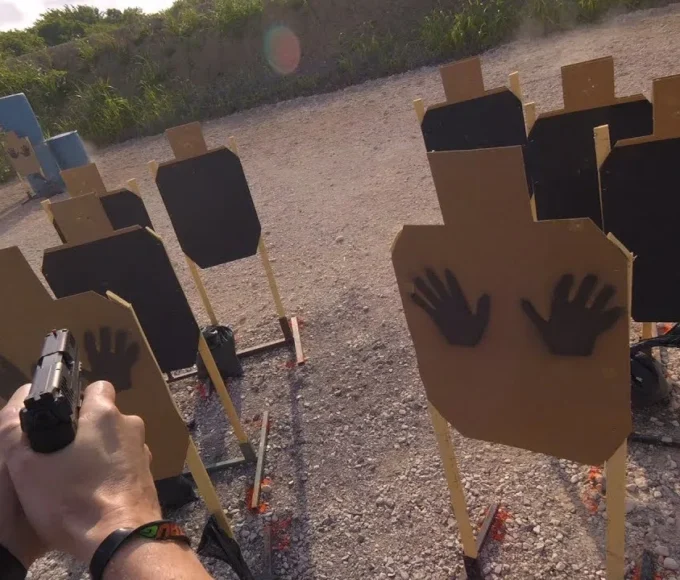
Understanding the divisions in the International Defensive Pistol Association (IDPA) is key to choosing the right gear and optimizing your competitive experience. Each division is designed to reflect real-world carry options and create a level playing field for all types of shooters. Here’s a complete breakdown of every IDPA division, including the types of firearms allowed, detailed rules, and real-world examples of compliant pistols.


What is the IDPA Box?

The IDPA box is a measurement tool used to ensure all firearms meet division-specific size restrictions. Most divisions require pistols to fit within an 8.75" x 6" x 1.625" rectangular box, simulating the dimensions of a realistic carry gun. Competitors must place their pistol in the box with the magazine inserted (but unloaded) and the slide forward. If any part of the firearm sticks out, it is not legal for that division. This keeps the sport focused on practical, concealable firearms.

1. SSP (Stock Service Pistol)

glock-47-mos-IDPA-SSP

Overview: The Stock Service Pistol division is intended for striker-fired or DA/SA pistols that reflect common duty or personal defense weapons. Modifications are minimal to preserve the "stock" nature of these firearms.

Round Count Limit: 15 rounds per magazine, plus 1 in the chamber.

Permitted Modifications:

  • Sights (iron only)
  • Internal enhancements (e.g., trigger polish)
  • Grips
  • Recoil spring tuning

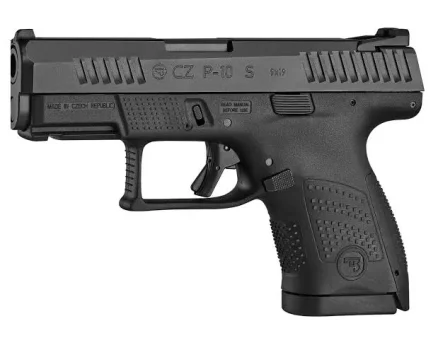
Firearm Examples: Glock 17, 19, or 34; SIG Sauer P320 Full Size; CZ P-10 F; Walther PDP

Ideal For: Shooters looking for a cost-effective, reliable platform with minimal modifications.

2. ESP (Enhanced Service Pistol)

IDPA-ESP-2011

Overview: ESP allows more enhancements than SSP, such as single-action pistols and extended controls, while remaining within defensive-style guidelines.

Round Count Limit: 10 rounds per magazine, plus 1 in the chamber.

Permitted Modifications:

  • Extended magazine releases and slide stops
  • Trigger work (within pull weight limits)
  • Aftermarket hammers, sears, and sights

Firearm Examples: CZ Shadow 2; SIG P320 X5 Legion; STI Trojan 9mm

Ideal For: Competitors who want greater customization and performance.

3. CO (Carry Optics)

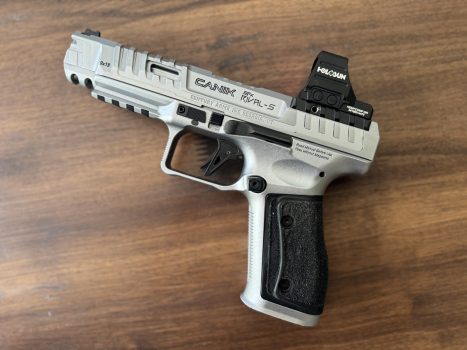
Canik Rival S

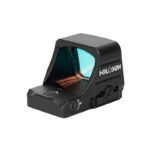
Overview: Carry Optics allows red dot sights on striker-fired or DA/SA pistols. Compensators and ported barrels are not allowed.

Round Count Limit: 10 rounds per magazine, plus 1 in the chamber.

Permitted Features:

  • Slide-mounted red dot sights
  • Aftermarket triggers (within limits)
  • Magwell (if within box)

Firearm Examples: Canik SFx Rival S; Glock 34 MOS; CZ Shadow 2 OR; Walther PDP Pro SD

Ideal For: Shooters looking for modern optics and practical performance.

4. CDP (Custom Defensive Pistol)

1911-sig-IDPA

Overview: CDP is reserved for .45 ACP 1911-style pistols with limited capacity and traditional features.

Round Count Limit: 8 rounds per magazine, plus 1 in the chamber.

Requirements: .45 ACP only, 1911-style, no compensators or optics.

Firearm Examples: Colt 1911; Kimber Custom II; Springfield Range Officer

Ideal For: Shooters who prefer the feel and tradition of 1911s.

5. CCP (Compact Carry Pistol)

CZ CCP IDPA

Overview: Compact Carry Pistols must fit a smaller IDPA box (7.75″ x 5.375″ x 1.375″) and are designed to reflect modern concealed carry firearms.

Round Count Limit: 10 rounds per magazine, plus 1 in the chamber.

Key Differences from SSP:

  • Smaller frame size
  • Lower weight limit
  • Less capacity

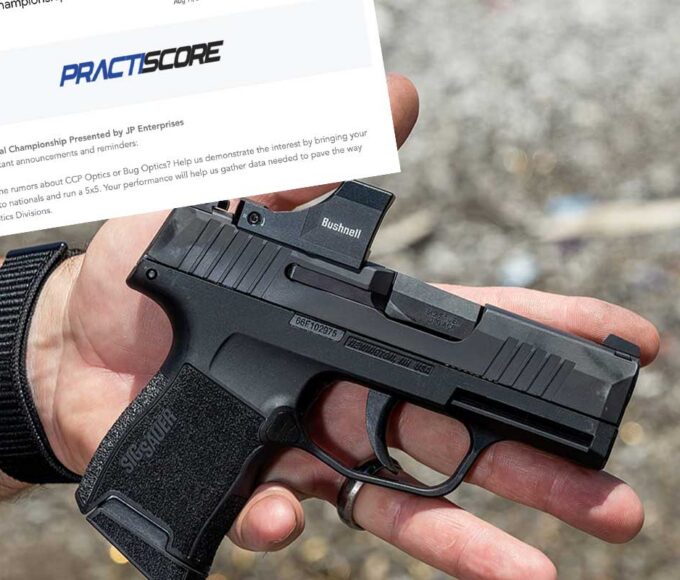
Firearm Examples: SIG P365XL; Glock 48; Walther PPS M2; Canik MC9 Prime - (with aftermarket magazine base plate modifications)

Ideal For: Competitors who want to use their actual carry gun in competition.

6. BUG (Back-Up Gun)

Hellcat-BUG-IDPA

Overview: BUG is for small concealment pistols used as backups.

Round Count Limit: NEW UPDATE TO 2026 - 8 rounds per magazine, plus 1 in the chamber.

Requirements: Must fit in a 6.5\" x 4.8\" x 1.375\" box; capacity limited to 6+1.

Firearm Examples: Glock 43; Ruger LC9; S&W Shield; Springfield Hellcat

Ideal For: Shooters practicing with deep concealment gear.

7. REV (Revolver)

REV-IDPA

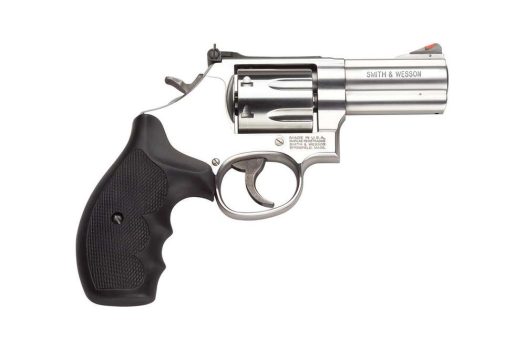
Overview: Double-action revolvers only; two sub-classes (SSR and ESR).

Round Count Limit: 6 rounds per cylinder.

Classes:

  • SSR: .38/.357 with speedloaders
  • ESR: .45 ACP with moon clips

Firearm Examples: S&W 686; Ruger GP100; Taurus 66

Ideal For: Shooters who love wheelguns and precision reloads.

8. PCC (Pistol Caliber Carbine)

IDPA=PCC

Overview: Rifles chambered in pistol calibers shot from low ready (no holster).

Round Count Limit: 30 rounds per magazine max.

Regulations:

  • Low-ready start
  • No braces or "pistol braces"
  • No external magwells

Firearm Examples: Ruger PC Carbine; CZ Scorpion; JP GMR-15

Ideal For: Shooters preferring long guns or seeking low-recoil options.


Choosing the Right Division

When selecting a division, ask yourself:

  • Do I want to use iron sights or a red dot?
  • Is my gun compatible with the IDPA box?
  • Am I competing with what I carry or something more performance-oriented?

Each division offers a slightly different take on the same core principle: practical shooting rooted in real-world scenarios. Pick the division that suits your gear and goals, and get out there!

Stay tuned to GunCraver.com for in-depth guides, gear reviews, and competition breakdowns.

Related Articles

IDPA Bans Sig P320

The Sig Sauer P320 has been a hot topic in the firearms...

What is Power Factor and How to Calculate It

In competitive shooting sports like IDPA, USPSA, and Steel Challenge, “Power Factor”...

What You Need for Your First IDPA Match

Getting started in IDPA (International Defensive Pistol Association) can feel intimidating, but...

IDPA vs. USPSA: Which Practical Shooting Sport Is Right for You?

If you’re getting into the world of competitive shooting, chances are you’ve...