
IDPA

What You Need for Your First IDPA Match

Shooting Your First IDPA Match

Getting started in IDPA (International Defensive Pistol Association) can feel intimidating, but it doesn’t have to be. This sport was built with everyday carry and real-world scenarios in mind, making it one of the most accessible shooting disciplines for beginners. Whether you’re a seasoned shooter or brand new to competitions, here’s what you need to know before attending your first IDPA match.

Start by Finding a Match

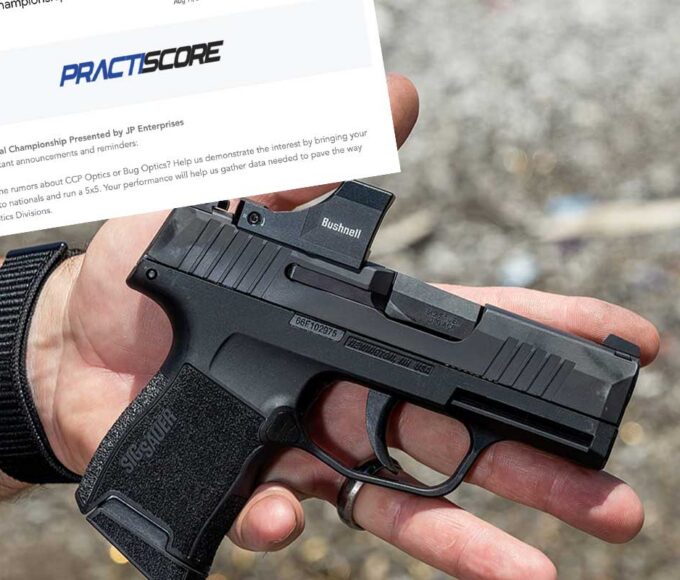
Your first step is to find a local match, and practiscore.com is the go-to resource. You can search by ZIP code and filter for IDPA matches near you. Most clubs run monthly matches, and many are very beginner-friendly. Look for notes in the match description—some matches include a new shooter briefing or even offer loaner gear.

Once registered, read any instructions provided by the match director. Knowing the location’s rules, round counts, and start time helps reduce stress on match day.

Safety First: The Cold Range Rule

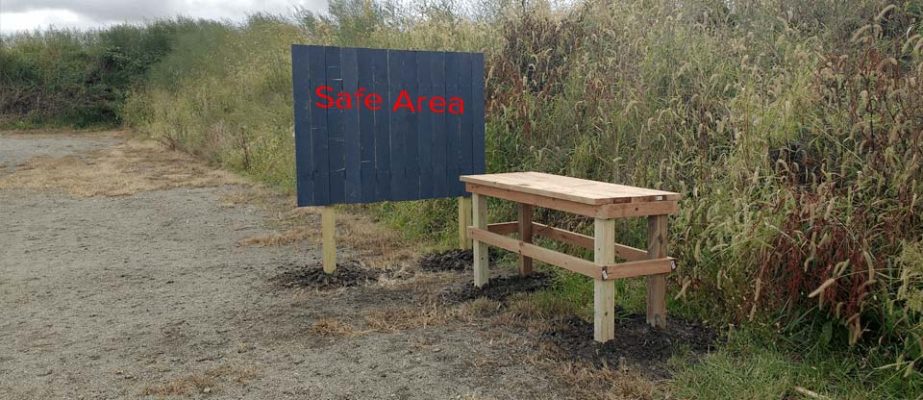
Safe-area-IDPA

IDPA is a cold range sport, meaning that all firearms must be unloaded and stored safely upon arrival. You should arrive with your gun and ammo stored separately—typically in individual cases or bags.

When you get to the range, head to the designated safe area before doing anything with your gun. This is the only place where you’re allowed to handle your firearm outside of the firing line. In the safe area, you can holster your gun, adjust your gear, and prep for the match—but no ammunition is ever allowed in the safe area. That includes loaded magazines, loose rounds, or even dummy rounds.


All ammo handling (including loading magazines) must happen outside the safe area. These strict rules are enforced for your safety and everyone else’s.

If you’re ever unsure what to do, ask! Range Safety Officers and experienced competitors are usually more than happy to help.

Essential Gear Checklist for IDPA

Getting started doesn’t require expensive gear, but it does need to comply with IDPA’s rules. Here’s what you’ll typically need:

  • Handgun: A legal pistol that fits within the division of your choice (e.g., Carry Optics, SSP, CCP, etc.)

  • Holster: Must be belt-mounted, worn on the strong side, and must cover the trigger guard completely. If you want to carry with an appendix holster, reach out to the match director to ensure they are allowed. Some clubs do not prohibit appendix carry

  • Magazine Pouches: You’ll need at least two belt-mounted magazine pouches

  • Magazines: At least 3 magazines (4+ is better for smoother stage flow)

  • Belt: A rigid belt that can hold your gear securely. In IDPA, the belt must go though the belt loops of your shorts or pants. IDPA prohibits the use of double belts or “race” belts

  • Concealment Garment: A vest, jacket, or long shirt that covers your gun and magazines

  • Ammo: Bring 200+ rounds to be safe, even if the match requires less

  • Eye & Ear Protection: Always required on the range

  • Water: Bring water and even a snack to help supply your body. You will be moving, nervous and trying to soak up a lot of information. 

Many clubs are flexible with first-time shooters—if your gear isn’t 100% legal, they’ll often let you shoot for no score and give you guidance on what to upgrade.

Learn the Range Commands

One of the most important parts of your first match is listening carefully to your Safety Officer (SO). They will walk you through each stage and ensure everything is safe.

Here are a few common range commands you’ll hear:

  • “Load and Make Ready” – Time to load your firearm at the line

  • “Are You Ready? Standby…” – The timer will beep shortly after this

  • “If You Are Finished, Unload and Show Clear” – After the last shot, you’ll show the SO that your gun is empty

  • “Slide Forward, Hammer Down, Holster” – Final steps before leaving the stage

Always follow the SO’s instructions and ask questions if anything is unclear.

Come With a Great Attitude

You don’t need to be a tactical expert or marksman to shoot IDPA. What you do need is:

  • A willingness to learn

  • Respect for safety rules

  • Patience with yourself as you grow

The IDPA community is generally very welcoming. Most competitors love helping new shooters, and you’ll likely walk away from your first match with new knowledge, new friends, and a desire to come back.

Final Thoughts

Your first IDPA match isn’t about winning—it’s about learning the sport, improving your gun handling, and having fun. Shoot your own match. With the right gear, a solid understanding of range safety, and a positive mindset, you’ll be off to a strong start.

Check practiscore.com, pack your bags, and hit the range. You might just find your new favorite hobby.

For more IDPA tips, division breakdowns, and gear reviews, visit GunCraver.com.

Related Articles

IDPA Bans Sig P320

The Sig Sauer P320 has been a hot topic in the firearms...

What is Power Factor and How to Calculate It

In competitive shooting sports like IDPA, USPSA, and Steel Challenge, “Power Factor”...

IDPA vs. USPSA: Which Practical Shooting Sport Is Right for You?

If you’re getting into the world of competitive shooting, chances are you’ve...

Why IDPA Should Add a New Division: CCO (Concealed Carry Optics)

As competitive shooting continues to evolve alongside the firearms industry, the International...