Introduction to USPSA — Divisions, Rules, and How to Get Started
Learn the basics of USPSA competition shooting including scoring, divisions, classifications, targets, and gear. Start your journey into practical shooting today.
What Is USPSA?
The United States Practical Shooting Association (USPSA) is the premier organization for action pistol competition in the U.S. Unlike bullseye or steel-only shooting, USPSA matches test a shooter’s ability to engage multiple targets, on the move, while balancing speed, accuracy, and power.
Each course of fire, or “stage,” is different — meaning competitors must think on their feet, plan movement, and execute efficient shooting under pressure.
USPSA Scoring Basics
USPSA uses a hit factor scoring system:
Hit Factor = Points Scored ÷ Time
Each cardboard target (called an official USPSA target) has three scoring zones:
- Alpha (A): highest point value (5 pts)
- Charlie (C): medium value (3 pts or 4 pts)
- Delta (D): lowest value (1 pt or 2 pts)
Shooters are scored on both accuracy and time. You want to shoot fast, but with enough precision to avoid misses, penalties, and lower-value hits.
USPSA Target Types
- USPSA Metric Target: Brown cardboard with A/C/D zones
- Hard Cover & No-Shoots: Blacked-out or white targets representing non-threats
- Steel Targets: Must fall to score; includes poppers and plates
USPSA Divisions
USPSA has several equipment-based divisions to keep competition fair. Each shooter selects a division and sticks with it for the match:
🟢 Production
- Factory pistols (e.g., Glock 34, CZ P-10, Shadow 2)
- 10-round magazine limit
- Iron sights only
- No porting or compensators
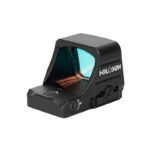
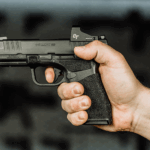
🔵 Carry Optics
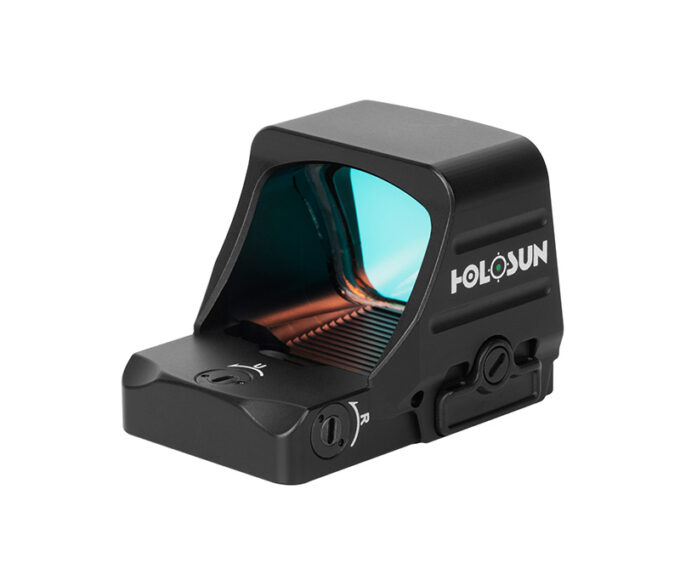
- Slide-mounted red dot allowed
- No porting or comps
- Magazine length up to 141.25mm (~21+1 rounds)
🔴 Open
- “Race guns” with red dots, comps, and long mags (170mm)
- Just about anything goes — the fastest division
🟠 Limited
- Iron sight race guns with 140mm mags
- No optics or comps
⚫ Limited 10
- Same as Limited, but with 10-round mags (created for restricted states)
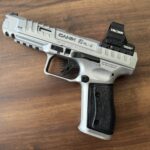
🔵 Limited Optics
- Slide-mounted red dot optics allowed
- No porting or compensators
- Magazine length up to 141.25mm (like Limited)
- Optics allowed on pistols that wouldn’t qualify for Carry Optics (e.g., metal frames, single-action)
- Popular choice for 2011-style optics-ready pistols
🟣 Single Stack
- 1911-style pistols
- 8-round mags (major), 10-round mags (minor)
🟡 Revolver
- Revolvers only
- 6- or 8-shot depending on power factor
🟤 PCC (Pistol Caliber Carbine)
- 9mm carbines (e.g., Ruger PC9, JP GMR, AR-9)
- Optics and muzzle devices allowed
- Shot from low ready — no holster
USPSA Classification System
After shooting a few matches (typically 4 classifiers), you'll be assigned a classification based on your hit factor compared to national scores.
Classifications from highest to lowest:
- GM – Grand Master (95–100%)
- M – Master (85–94.9%)
- A – 75–84.9%
- B – 60–74.9%
- C – 40–59.9%
- D – 2–39.9%
- U – Unclassified
Classifiers are short, standardized stages that measure raw skill in accuracy, transitions, and draw speed.
Gear You’ll Need
Your gear setup depends on the division, but generally includes:
- A USPSA-legal pistol or carbine
- 4–6 magazines
- Belt-mounted holster (must cover trigger)
- Magazine pouches
- Eye and ear protection
- Range bag
- Shot timer for training (optional but useful)
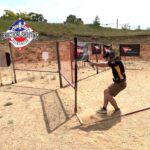
A Typical USPSA Stage
Most USPSA matches feature 5–6 stages. A stage might include:
- 8–32 rounds
- Movement between shooting positions
- Engaging targets through ports, walls, and barrels
- Reloads under pressure
- Options to shoot targets in different orders
Every stage is unique and encourages creative problem-solving and planning.
Why USPSA Is Worth Trying
- Boosts your shooting skill under pressure
- Improves gun handling and movement
- Encourages precision under time
- Friendly community — people will help you get started
- You can compete with your carry gun in Production or CO
Final Thoughts
If you’re ready to take your shooting beyond the static range, USPSA offers the perfect mix of skill-building, competition, and adrenaline.
Whether you’re shooting a carry pistol, a tricked-out 2011, or a 9mm PCC, there’s a division and a stage waiting for you.
Grab your gear, hit your local match, and we’ll see you on the range.









Leave a comment