
Why Some Training Facilities and Agencies Are Banning It Around the Country
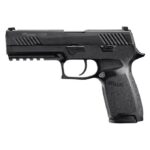
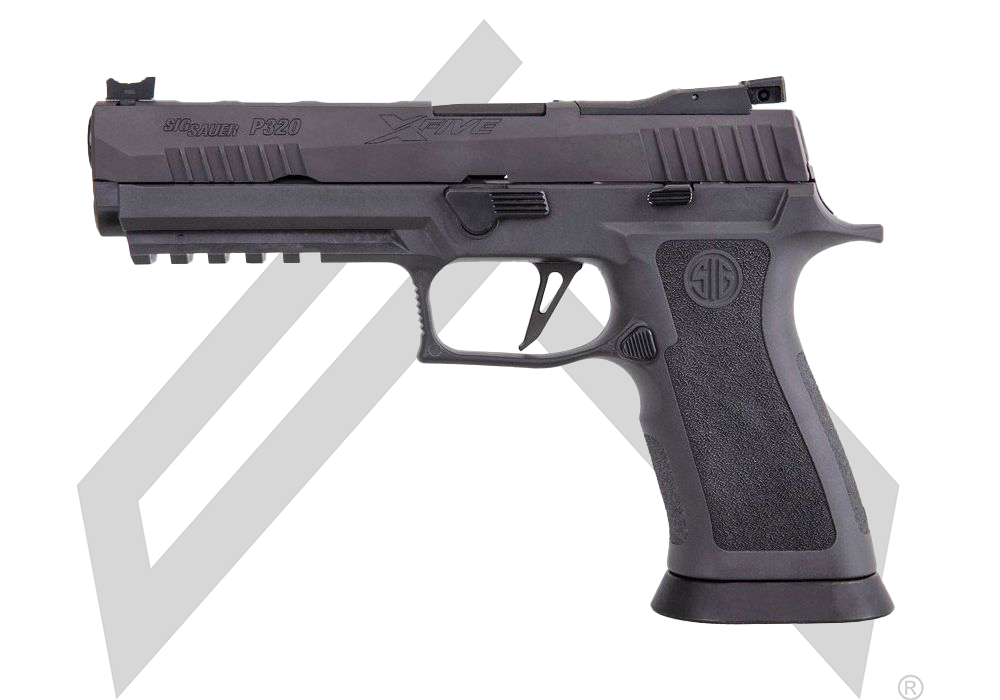
The SIG Sauer P320—adopted as the U.S. military’s M17/M18 platform and used by numerous law enforcement agencies—is now at the center of an escalating safety controversy. Training academies, federal agencies, and even military commands have implemented bans or halted use following reports of unintentional (“uncommanded”) discharges.
Washington State Criminal Justice Training Commission (WSCJTC) implemented a permanent ban on P320, M17, and M18 pistols at its training centers following reported uncommanded discharges during training.
Gunsite Academy—a premier U.S. civilian training ground—has prohibited all P320 pistols in its courses, unless brought by LEO students using duty-issued firearms.
Other law enforcement agencies across Alabama, Connecticut, Florida, Texas, Wisconsin, and Seattle have reviewed or suspended the P320 pending investigations.
ICE (Immigration & Customs Enforcement) and the Air Force Global Strike Command have paused use of the M18 and removed it from duty, citing internal safety reviews and a recent fatal discharge incident.
Investigative reports identified 100+ incidents of P320 discharging without trigger pull—over 80 injuries, including officers. Many allegedly occurred while the weapon was holstered or during presentation.
The FBI Ballistics Research Facility conducted isolated testing on the P320/M18, uncovering possible causes tied to trigger inertia and striker design—though a definitive pattern or repeatable failure has not been confirmed.
SIG Sauer strongly denies any safety defect, stating the P320 cannot discharge without trigger pull, and attributes reported incidents to user handling errors or improper holstering.
In April 2025, SIG filed a formal appeal against the Washington Training Commission’s ban, branding it an “unprecedented prohibition based on incomplete data” that unfairly sidetracks agencies from training on their duty firearms.
SIG also points to its 2017 voluntary upgrade—a hardware retrofit to address drop-firing concerns—which included mechanical disconnectors and reduced trigger weight.
Multiple lawsuits from officers and civilians injured by alleged uncommanded discharges have resulted in multi-million-dollar verdicts—including an $11 million award in Philadelphia.
In 2025, New Hampshire passed a law shielding SIG Sauer from specific product liability claims over P320’s lack of an external safety—though critics argue the law shields the company from consequences.
| Perspective | Key Points |
|---|---|
| Pro-Ban / Safety Advocates | Multiple reports of uncommanded discharges, serious injuries, and no repeatable testing success by defenders. |
| SIG Sauer / Critics | Rigorous testing, industry defense of the platform, root cause blamed on user error or improper carry gear. |
| Law Enforcement Use | While some agencies banned P320, others continue using it—citing testing, supply issues, and the difficulty of mid-policy transitions. |
| Legal Climate | Ongoing litigation and state laws reflect deeper questions about standards and liability in modern striker-fired pistol design. |
If you’re a match organizer, instructor, or range operator—know your state and agency policy. Some jurisdictions now ban the P320 entirely, others still allow updated models or issue-based carry.
If you’re a civilian owner, ensure your P320 is upgraded under the 2017 recall program, carried properly, and holstered safely.
The debate isn’t settled: SIG emphasizes stability and testing; critics cite risk and victim testimony.
Until an “uncommanded discharge” can be reliably replicated in controlled tests, the P320 will remain a polarizing example of trust vs. caution.
The SIG P320 stands at the crossroads of design innovation and safety controversy. With bans across training centers and agencies—but powerful industry defense behind it—it’s a case study in how firearms evolve and how perception can shape policy.
Whether you continue carrying a P320 or choose another platform, stay informed—inspect your gun, follow upgrade protocols, and prioritize safe handling above all.
Sources: The Trace, The Washington Post, AP, Wikipedia, SIG Sauer press releases, ICE internal documents, and FBI BRF test notes where publicly disclosed.
Steel Challenge has released the eight 2026 Provisional Stage Candidates, giving shooters...
ByGuncraverNovember 23, 2025The Steel Challenge Shooting Association (SCSA), under the USPSA banner, has officially...
ByGuncraverJuly 11, 2025As competitive shooting continues to evolve alongside the firearms industry, the International...
ByGuncraverJuly 8, 2025